


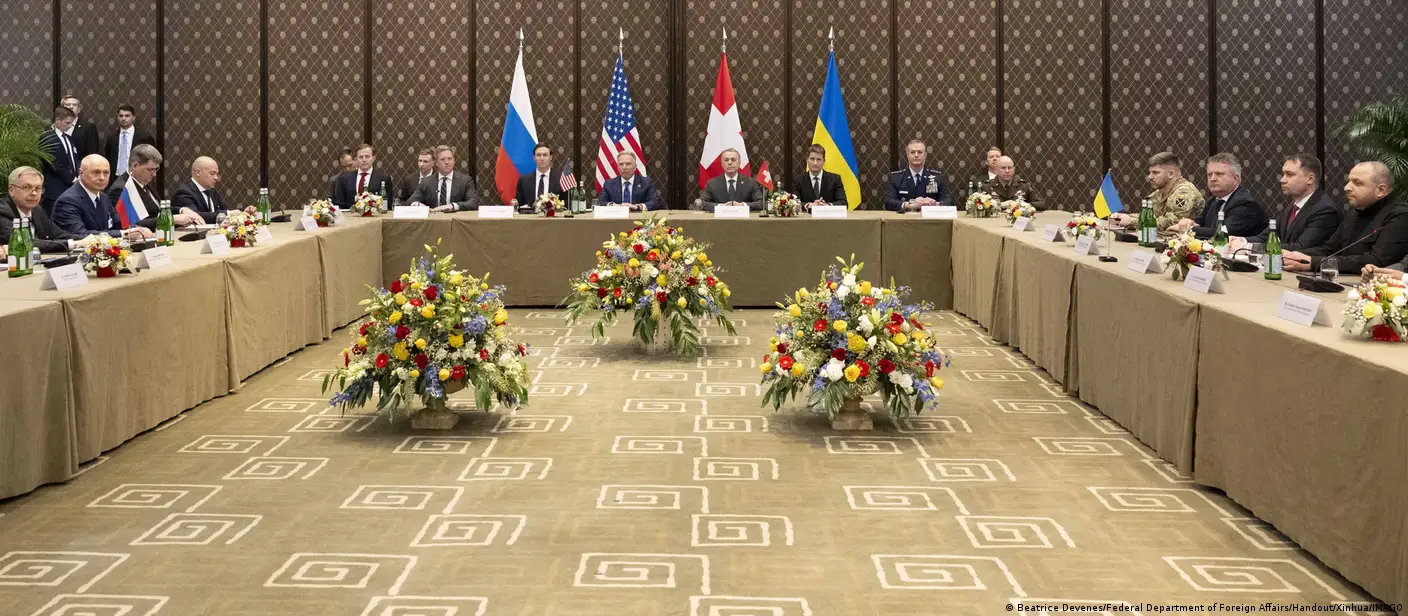
У коментарі для телеканалу Прямий голова Керівної Ради Центру безпекових досліджень «СЕНСС» Вадим Черниш окреслив ключові обмеження та ризики, пов’язані з поточним переговорним процесом між Україною та Росією.
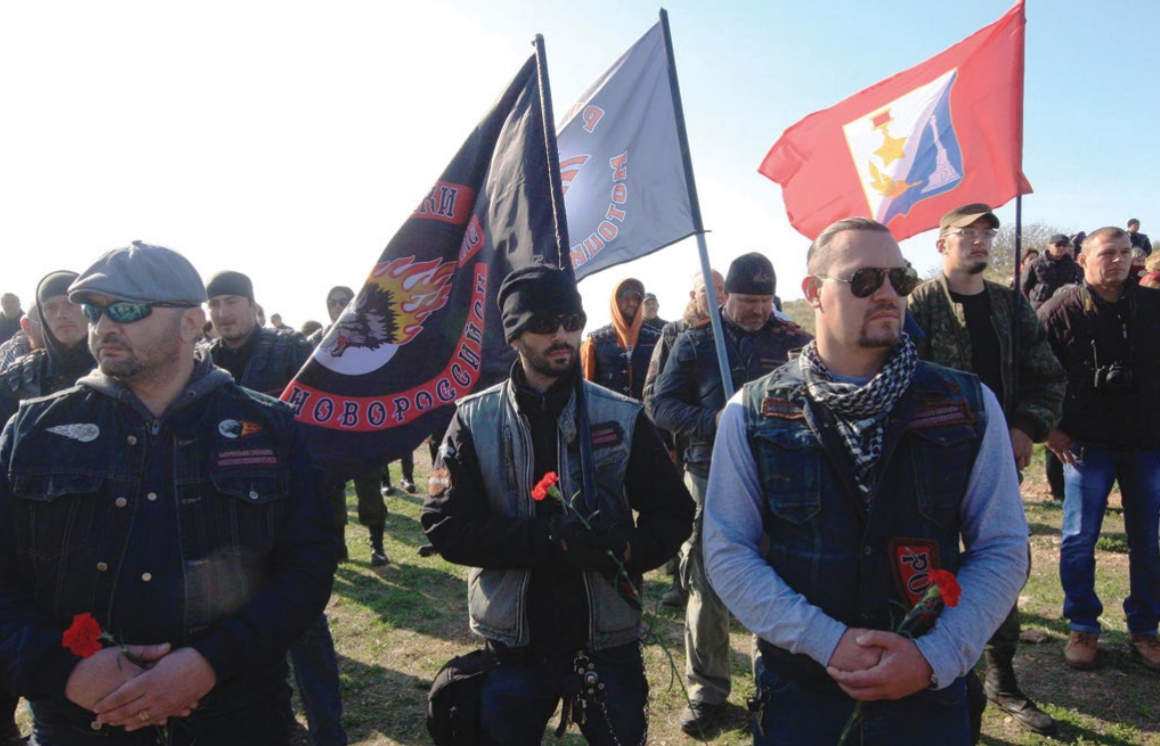
Russia’s nonmilitary operations in Ukraine and Kosovo
We continue publishing selected sections of the analytical reports prepared within the framework of the project. The next publication is titled “Russia’s Nonmilitary Operations in Ukraine and Kosovo.”
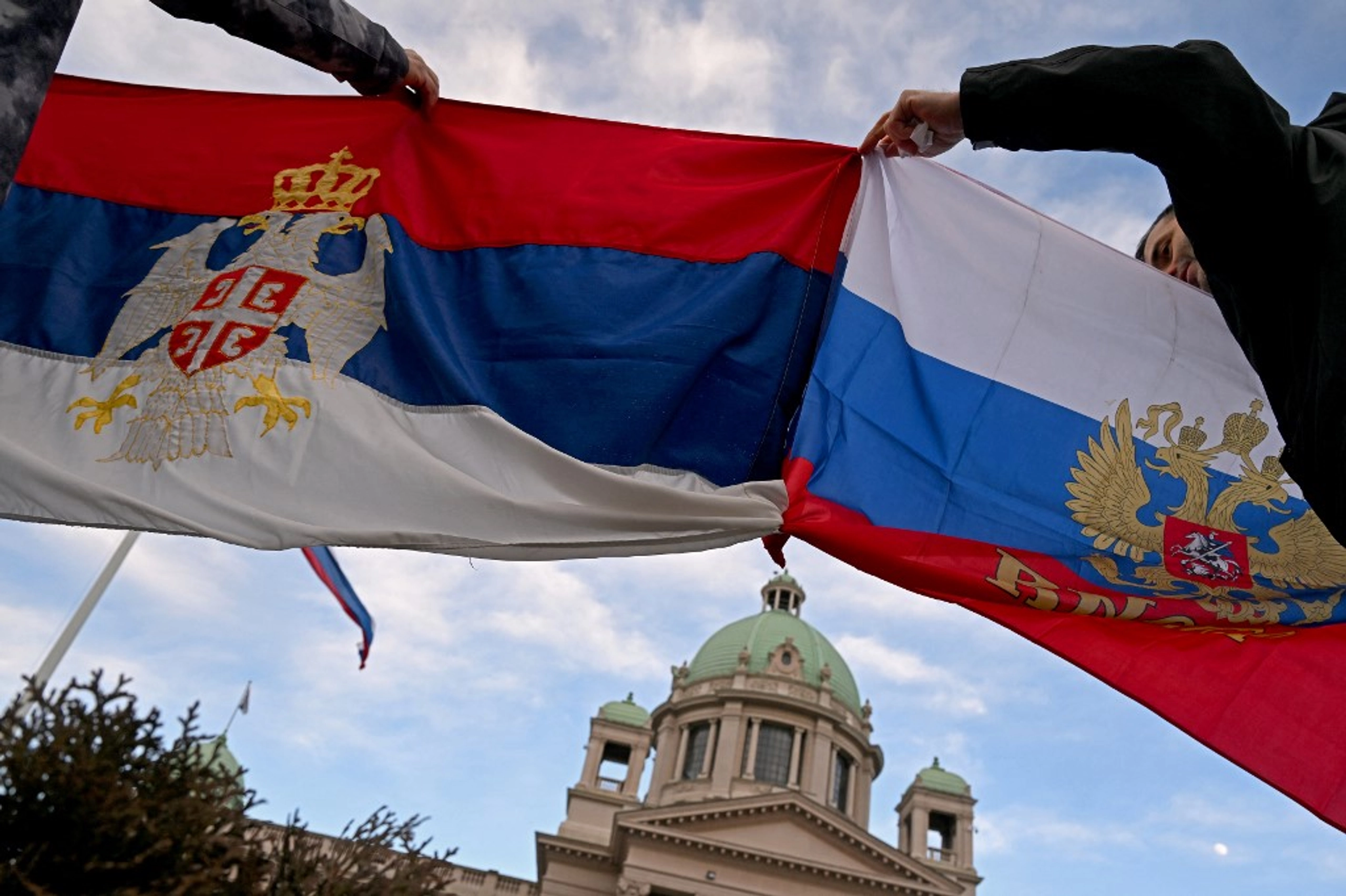
Understanding the adversary’s strategic goals is key to understanding its means and ways to attain them
In December 2025, the team of the Center for Security Studies “CENSS”, in cooperation with the Kosovar Center for Security Studies, completed a study on the influence of the Russian Federation and other external actors on Ukraine and the countries of the Western Balkans. The study was conducted as part of the project “Strengthening Resilience to Russian Hybrid Threats through Regional Cooperation” with the support of Open Society Foundations Western Balkans and Konrad-Adenauer-Stiftung Kosovo. We continue to publish individual sections of the analytical report. This publication explores the issue of understanding the enemy’s strategic goals as a basis for analyzing the tools and methods used to achieve them.
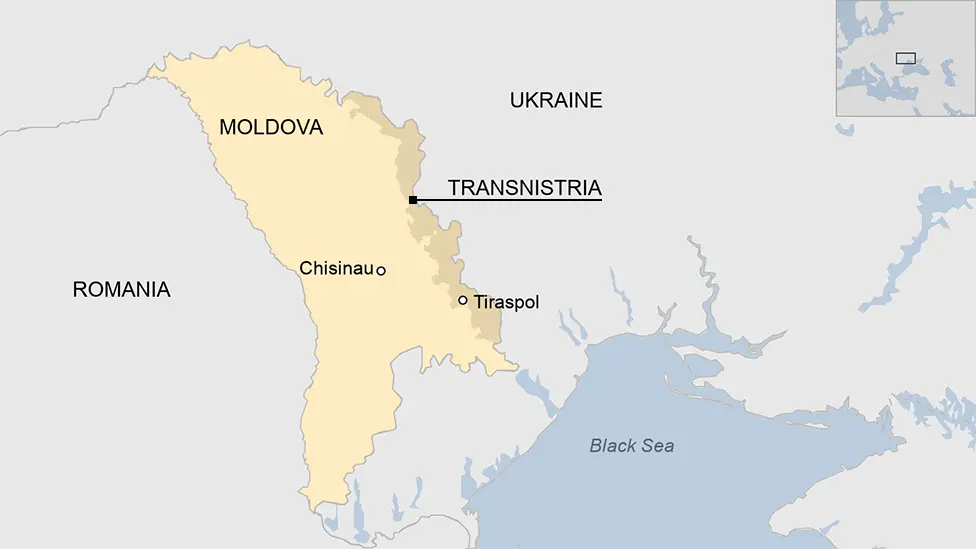
Щомісячний дайджест ситуації в Придністровському регіоні Республіки Молдова
У 2026 році СЕНСС запускає новий аналітичний напрямок щодо огляду безпекової ситуації на території Придністровського регіону Республіки Молдова. Щомісячно ми публікуватимемо дайджест з ключовими спостереженнями у військовій, економічній, соціальній сферах, а також слідкуватимемо за суспільними настроями регіону, який вже десятки років де-факто контролює російська федерація. Ділимося з Вами нашим першим дайджестом за Січень 2026 року
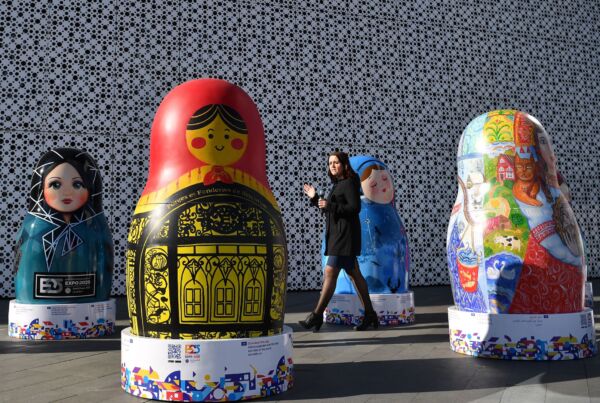
Cultural Diplomacy as a Tool of Russia’s Soft Power
In December 2025, the team of the Center for Security Studies “CENSS”, in cooperation with the Kosovar Centre for Security Studies, completed a study analyzing the influence of the Russian Federation and other external actors on Ukraine and the countries of the Western Balkans. The study was carried out as part of the project “Strengthening Resilience to Russian Hybrid Threats through Regional Cooperation: A Joint Initiative of Non-Governmental Organizations in Ukraine and the Western Balkans,” supported by Open Society Foundations Western Balkans and Konrad-Adenauer-Stiftung Kosovo. This publication marks the beginning of a series of materials that will highlight the key findings of the study. The first publication is devoted to the analysis of cultural diplomacy as a component of the Russian Federation’s “soft power” tools.